
Op-Ed
[Op-Ed] Physical AI Brings Back the Question of the ‘World’
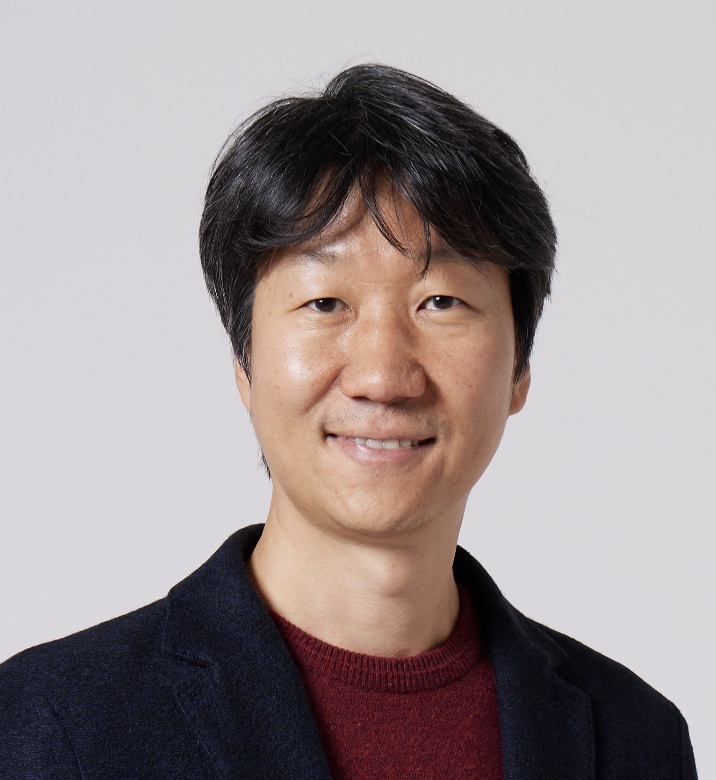
Minsu Cho, Mueunjae Chair Professor at POSTECH and lead researcher for NAIRL’s sub-project on robot foundation models, writes that today’s giant AI models sweep through domain after domain with internet-scale data, yet stall in physical AI. Their outputs still cannot be trusted enough to release robots into the real world, which is why “world models” that evaluate and verify outcomes before acting are drawing global attention.
According to Professor Cho, the idea of a world model itself is nothing new. From psychologist Kenneth Craik’s “mental models” in the 1940s through the cognitive revolution, the question of how a mind holds an image of the world has been asked for decades. After an era in which end-to-end learning at scale seemed to make such structures unnecessary, the hard problem of physical AI has brought these deep questions back: what a world model should represent, how explicit it must be, and what should be designed versus learned.
Precisely because nothing is settled, Professor Cho argues, this is Korea’s moment. In the race of capital and GPU scale Korea is always a step behind, but where the question is how to structure the world, depth of thinking and bold attempts matter more than the size of the data. That, he concludes, is why he welcomes this moment.
This column is part of NAIRL’s biweekly series “AI Talent Powerhouse,” published in ZDNet Korea.