
Op-Ed
[Op-Ed] The Next Gate of Intelligence Is Not Conversation but Decision
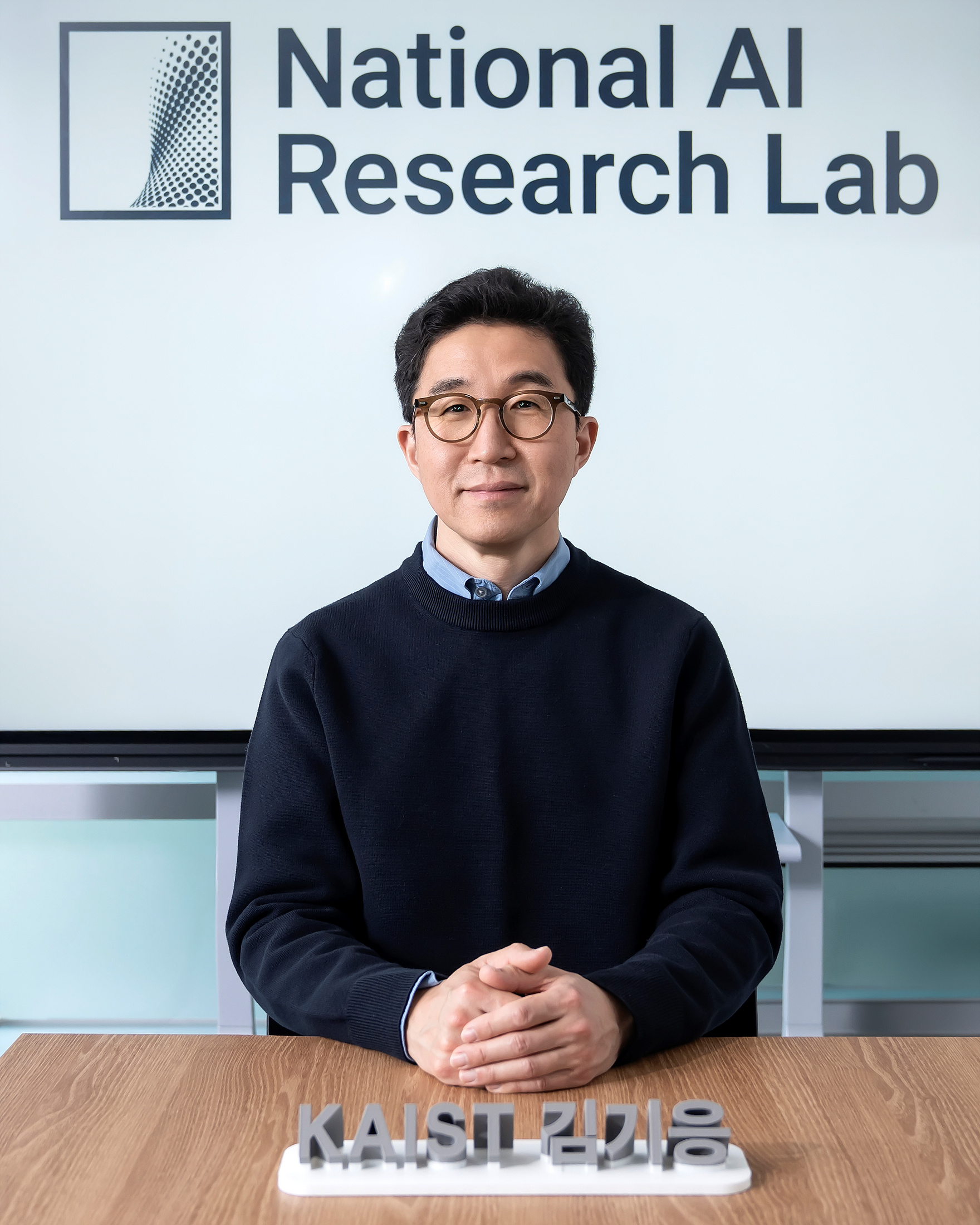
In the early 1950s, Richard Bellman, a mathematician at RAND, named his work “dynamic programming” so that his Air Force sponsors would not notice it was mathematics. Beneath the name lay a hard question: if today’s decision changes tomorrow’s situation, and tomorrow brings another decision, what should you do now? Bellman’s answer, to judge each decision by the value of where it leads, became the backbone of reinforcement learning, and the question Kee-Eung Kim, Director of NAIRL and Chair Professor at the KAIST Kim Jaechul Graduate School of AI, has worked on for over 30 years.
Around the same time, Alan Turing asked whether a machine could converse like a person. Seventy-six years on, that question is effectively answered. Bellman’s is still open, and it has returned to the center of industry under a new name: the AI agent. An agent does not stop at an answer; it acts on it, and the result of each step shows up only much later. Conversation and decision are graded differently, and the yardstick for AI is already shifting toward how long a task a model can carry through.
Why an agent that is right 95 percent of the time at each step still fails most 20-step tasks, why knowing when to stop and ask a human is itself a decision, and what questions an organization should ask before handing an agent decisions it cannot take back, are in the column.
This column is the first installment of “Kee-Eung Kim’s AI Long Horizon,” a monthly series in ZDNet Korea that runs for one year.